Canadian Noble Woods: An Exploration of Species and Their Uses
- sass02
- Apr 7
- 3 min read
Canada is renowned for the richness and diversity of its forests, offering an impressive variety of fine woods. These species, prized for their beauty, durability, and versatility, are central to many craft and industrial projects. Whether you're a woodworking enthusiast, a cabinetmaker, or a passionate DIYer, understanding the characteristics and uses of Canadian hardwoods will help you choose the right material for your creations.

The main species of hardwood in Canada
Canada is home to several species of noble woods, each with its own unique characteristics. Here is an overview of some of the most popular:
Yellow birch
Yellow birch, is prized for its warm color and shades ranging from cream to golden yellow. This wood is relatively hard and has a fine grain, making it ideal for furniture making, veneers, and decorative objects. Its ability to polish well gives it a smooth, glossy finish.
Maple
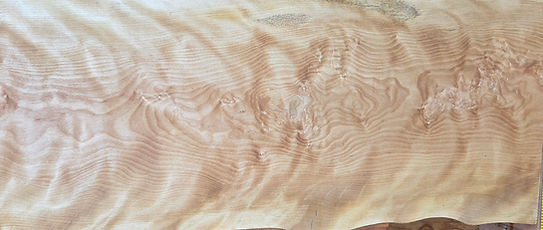
Maple is one of the most widely used woods in Canada, particularly sugar maple. It is distinguished by its light color, often white to cream, and its tight grain. This wood is very hard and durable, perfect for flooring, furniture, and musical instruments. Maple can also display beautiful patterns such "flame", highly prized in cabinetmaking.
Cherry
Canadian cherry is prized for its reddish hue, which deepens with age, evolving from pale pink to a rich red. This wood is easy to work and offers a smooth surface, making it a preferred choice for high-end furniture, interior woodwork, and musical instruments. Its grain is typically straight, with a fine texture.
Red and white oak
Red oak and white oak are two very common wood species. Red oak has a pinkish to reddish hue, while white oak is paler, with cream to beige tones. These woods are robust, wear-resistant, and have an open grain that makes them easy to finish. They are often used for flooring, furniture, and structures requiring high strength.
Ash
Ash is known for its flexibility and impact resistance. Its color ranges from creamy white to light brown, with a straight grain and medium texture. This wood is often used to make tool handles, furniture, and decorative items. Its ability to bend without breaking makes it a material of choice for certain specific projects.
Walnut
Canadian walnut is a truly noble wood, prized for its rich color ranging from chocolate brown to black. Its grain is generally straight, sometimes wavy, with a fine to medium texture. Walnut is used for luxury furniture, musical instruments, and works of art. Its durability and beauty make it a highly sought-after wood.
Practical Uses of Canadian Noble Hardwoods
Each type of wood possesses qualities that make it better suited to certain uses. Here are some concrete examples:
Furniture : Cherry, walnut, and maple are often chosen for their beauty and elegant finish. Oak, being more robust, is preferred for furniture intended for heavy use.
Flooring : Red and white oak as well as maple offer excellent wear resistance, making them perfect for flooring.
Musical instruments : Maple and walnut are prized for their sound and dimensional stability.
Woodwork and interior decoration : Yellow birch and ash bring a warm and natural touch to interiors thanks to their color and texture.
Handcrafted objects : Ash, thanks to its flexibility, is used for creations requiring bending, such as tool handles or certain curved furniture.
How to choose the right wood for your project
To choose the right Canadian hardwood, several criteria must be considered:
Aesthetics : Colour, grain and texture must match the atmosphere you wish to create.
Durability : Some woods are more resistant to wear, moisture, or impacts.
Woodworking : Some woods are easier to saw, sand or polish.
Cost : Walnut and cherry are often more expensive than birch or ash.
Origin and environmental sustainability : Favor certified wood from sustainably managed forests.
Maintenance of Canadian noble hardwoods
To preserve the beauty and longevity of your fine wood creations, regular maintenance is essential:
Clean with a soft cloth and avoid abrasive products.
Apply natural oils or suitable waxes to nourish the wood.
Protect surfaces from scratches and excessive moisture.
Repair chips or cracks quickly to prevent them from getting worse.


Comments