Canadian Noble Woods: Can "Subjective Nobility" complement "Technical Nobility"? What is your opinion?
- sass02
- Apr 15
- 2 min read

The official criteria (the technical "Nobility")
For forestry and cabinetmaking professionals in Canada, a wood is considered "noble" if it meets specific criteria of economic value , durability and rarity .
Although the term "Noble" is sometimes subjective, professionals rely on four specific technical pillars:
1. Hardness and density (Janka test)
Nobility is often synonymous with resistance. Noble woods are almost exclusively hardwoods , characterized by slow growth (which results in denser and more resistant wood), fine grain, stability during drying, and natural beauty without too many knots.
They must offer high resistance to shocks and wear (marked by a high Janka index, such as that of red oak at 1450 lbs).
The high density ensures better longevity and the ability of the wood to be restored by sanding several times.
2. Dimensional stability
A fine wood should "work" as little as possible once dried.
It must exhibit a low rate of shrinkage and swelling in the face of variations in humidity, which guarantees the precision of joinery.
The drying process is critical: fine wood often requires a long and controlled drying time to reach a stable moisture content between 6% and 10%.
3. Scarcity and economic value
Nobility is intrinsically linked to supply and demand in the market.
Native Canada species: Sugar maple, yellow birch (cherry), black walnut, cherry, oak and ash are the most prized for their high market value.
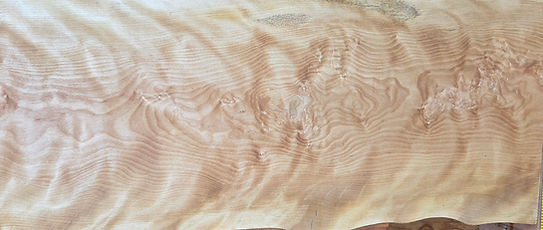
The quality of the trunk: Only pieces without major knots, with a straight grain or particular vein patterns (such as wavy wood), reach the grade of "noble".
4. Aesthetic qualities and grain
The wood must possess a visual "personality" that improves over time.
The grain: We are looking for a tight, fine grain or one that is particularly decorative (like walnut or cherry).
Patina: Its ability to react to light and air to develop a unique depth of color is a criterion of prestige.
The criteria of personal choice (subjective "Nobility")
Beyond "official" classifications and criteria, choosing a wood as "noble" for yourself depends on your own priorities:
Aesthetics and Design: A wood that is less "prestigious" technically, such as white pine or cedar, may be considered noble by an individual for its unique color, smell, or texture in a specific project.
Sentimental or local value: Using wood from family land or a species emblematic of one's region (such as larch) can give it a symbolic nobility superior to oak bought in a store.
Project adaptation: Nobility can also reside in "rightness". Wood that ages well over time and is easy to maintain according to your lifestyle becomes, by default, the best choice for you.
In short, if you're discussing this with a supplier, the term "noble" will refer to high-quality hardwoods. But for your own woodworking project, nobility is perhaps primarily defined by your personal taste and how you intend to use it.
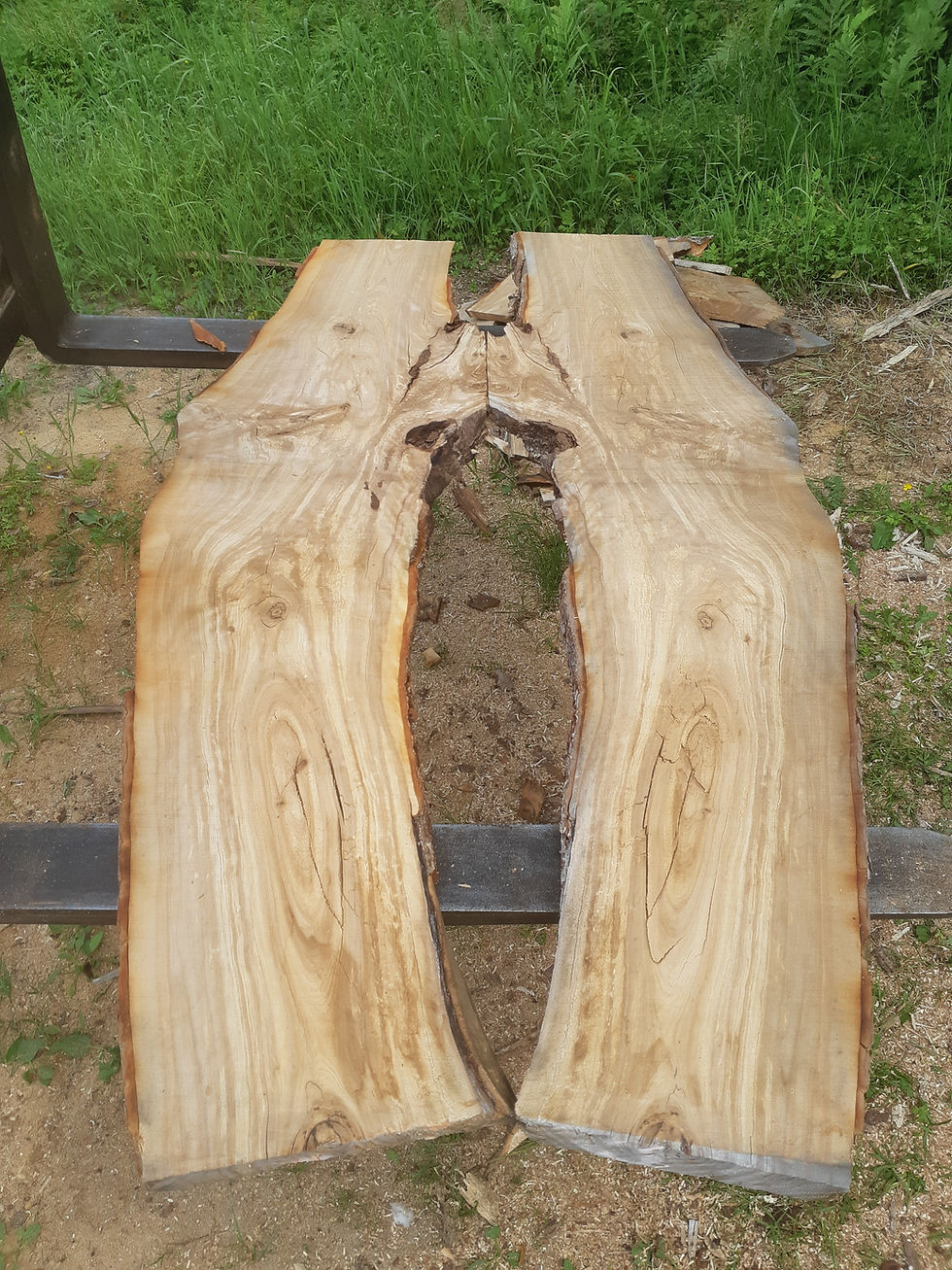
What are "YOUR" types of noble wood used for your projects?


Comments