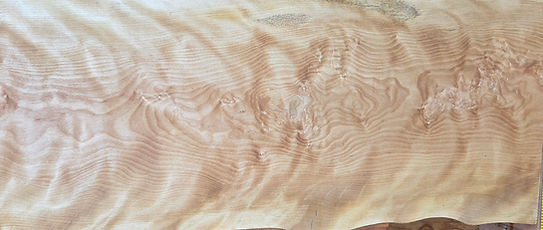
Making a coffee table from a live edge slab.
- sass02
- May 15
- 2 min read
(Comments are welcome)
Making a live-edge coffee table is a rewarding project that showcases the raw beauty of wood. Here are the main steps, from selecting the tabletop to finishing , based on DIY woodworking techniques.
1. Wood selection and preparation (Tabletop)
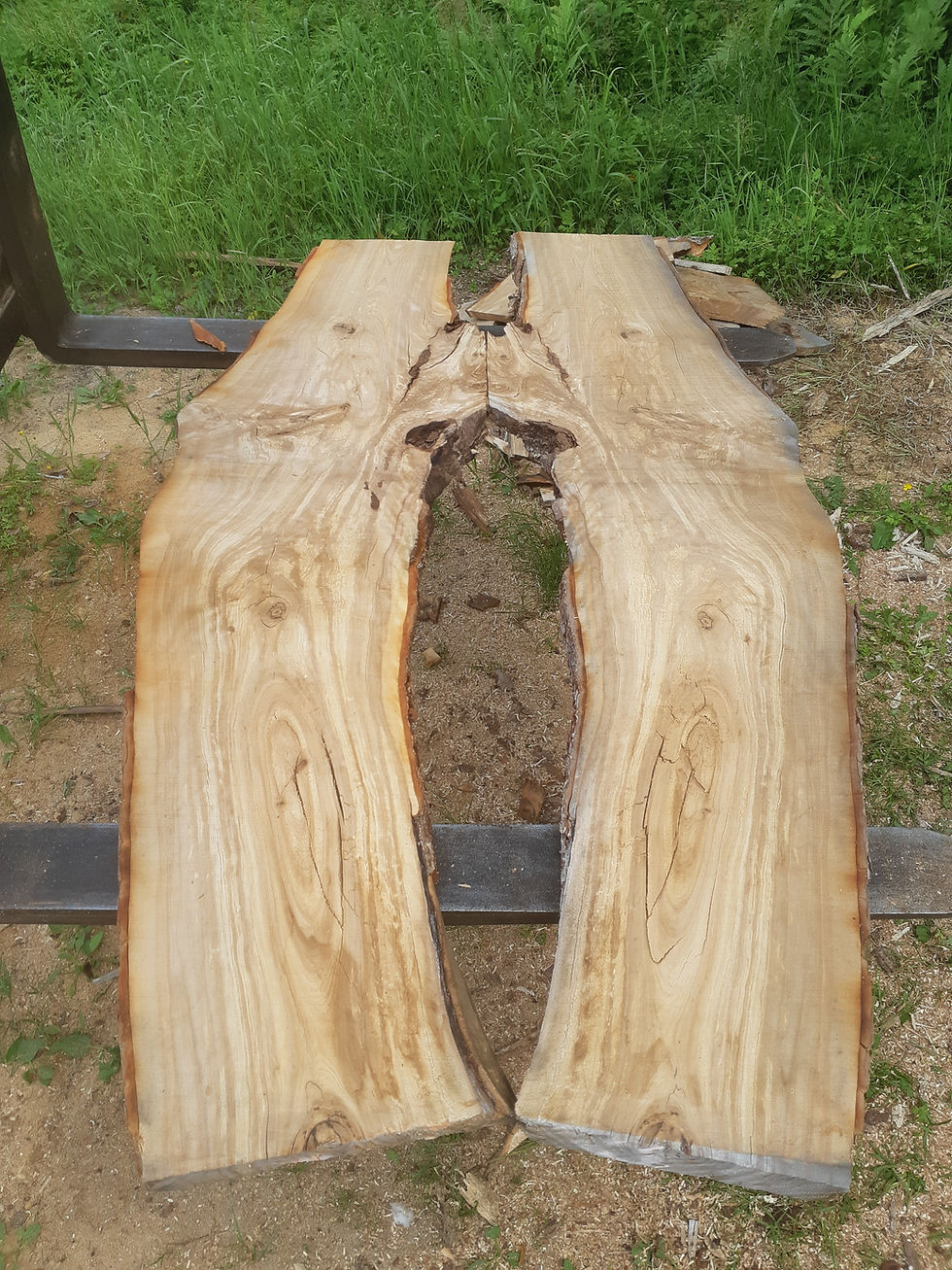
Choosing the slab: Select a slab of wood (yellow birch, maple, cherry, oak, pine) with or without the bark.
Dry the wood: Ensure that the wood is thoroughly kiln-dried (moisture content below 10-12%) to prevent subsequent cracking.
Removing the bark (optional): If the bark is loose, remove it using a chisel and hammer. Then sand the edge to obtain a smooth, natural surface.
Flattening (Straightening): If the board is warped, use a planer or router mounted on a carriage (router sled) to make the board perfectly flat.
Cut to length: Trim the ends to obtain the desired length, keeping the natural edges.
2. Treatment and Sanding
Repairing cracks: Fill holes and cracks with epoxy (clear or tinted) to stabilize the wood.
Sanding: Sand the tabletop starting with a coarse grit (80) to even it out, then progress to fine grits (120, 180, 220) for a smooth finish.
Edge sanding: Sand the natural edges by hand or with an orbital sander to remove splinters, while respecting the curves.
3. Application of the finish
Cleaning: Carefully dust the entire table.
Apply the finish: Apply a protective product (tung oil, beeswax, varnish or oil-varnish such as Rubio Mono Coat) to protect the wood and reveal its grain.
Drying and sanding: Respect drying times and lightly sand (320 or 400 grit) between coats if necessary.
4. Securing the feet
Choosing the feet: Hairpin legs or welded steel legs are ideal for a modern industrial look.
Positioning: Turn the tabletop over, measure and mark the location of the feet, usually 10-15 cm from the edges.
Installation: Pre-drill holes to prevent splitting the wood, then screw in the legs. Use threaded inserts for a more secure and removable installation.
5. Final assembly and protection
Check stability: Turn the table over and adjust the legs if necessary.
Add felt pads: Attach felt pads under the feet to protect the floor.
Important tip: Allow the wood to acclimate to the room for a few days before applying the final finish to avoid wood movement.
Good project!


Comments